
by Calien Trevino | Sep 24, 2024 | Anxiety, General, Trauma- and Stressor-Related Disorders
Let’s be real—break-ups suck. Whether you saw it coming from a mile away or it hit you out of nowhere, the aftermath can feel like an emotional rollercoaster. One day you’re totally fine, and the next, you’re crying over your ex’s old hoodie. Been there.
But guess what? This is actually the perfect time to focus on you. Yep, now that you’re out of that relationship, you’ve got a golden opportunity to shift the focus back to your own goals and personal growth. It’s time to thrive!
Step 1: Self-Care is Non-Negotiable
First things first: self-care. And no, I’m not just talking about bubble baths (though, let’s be honest, they help). Self-care after a break-up is about showing yourself the same love you’d give your bestie if they were going through this.
Start with the basics:
- Eat real food (yes, even if you don’t feel like it).
- Get enough sleep (Netflix won’t cure heartbreak at 3 AM, trust me).
- Move your body (a walk outside can do wonders).
I know it sounds obvious, but when your emotions are all over the place, even basic self-care can fall to the wayside. Don’t let it. Treat yourself like the priority that you are!
Step 2: Reflect, Don’t Ruminate
We’ve all done it—overthinking every detail of the break-up, playing things back in our heads. But instead of spiraling into a “what went wrong?” loop, try reflecting in a more constructive way.
Ask yourself:
- What did I learn from this relationship?
- What parts of me shined during the relationship?
- Where do I want to grow and improve for me, not for anyone else?
This kind of reflection helps you shift from “what was” to “what’s next.”
Step 3: Set Goals That Light You Up
Okay, so now that you’ve had some time to reflect, let’s talk goals. This is the exciting part—because now it’s your time to glow up and do things that make you happy.
Here’s how to start:
- Pick personal goals that actually excite you. Always wanted to learn how to make the perfect sourdough loaf? Go for it. Thinking about signing up for a yoga class? Now’s the time.
- Create a vision board. I know it sounds super 2010, but hear me out—putting your goals and dreams onto a board (whether it’s physical or digital) gives you something tangible to look at every day. Pinterest is your best friend here.
- Start small. Don’t overwhelm yourself by trying to accomplish everything at once. Pick one or two goals and break them into baby steps. You’ll feel a lot less overwhelmed when you see progress, even in tiny doses.
Step 4: Build Your Support Squad
When you’re going through a break-up, it’s so important to surround yourself with people who make you feel good. Your friends and family are the ones who will remind you of who you are when you’re feeling a little lost.
Pro tip: Share your goals with your crew. They’ll hold you accountable, cheer you on, and maybe even join you on some of your new adventures (hello, hiking buddy!).
Step 5: Say Yes to New Experiences
Now is the time to try new things. Whether it’s traveling to a new place, picking up a hobby, or meeting new people, stepping out of your comfort zone can be a game changer. Who knows? You might discover a new passion or meet some cool people along the way.
And let’s be real, the best way to move forward after a break-up is to embrace all the new possibilities that are in front of you.
Step 6: Prioritize Self-Love
Above everything else, make self-love your number one priority. At the end of the day, your relationship with you is the most important one. Be kind to yourself. Celebrate your wins, big or small. And remember that healing isn’t linear—some days will be harder than others, and that’s totally normal.
Step 7: Get Help When You Need It
Lastly, if you’re feeling stuck or overwhelmed, don’t hesitate to reach out to a therapist or life coach. Sometimes you just need an extra hand to help guide you through. There’s no shame in asking for help—it’s part of taking care of yourself.
So, to wrap it up: Break-ups are rough, but they’re also a chance to hit refresh on your goals, your self-care routine, and your life in general. Set some new intentions, surround yourself with good vibes, and most importantly, take it one step at a time. You’ve got this!
Ready to Thrive After Your Break-Up?
What goals are you setting for yourself? Let’s talk about it in therapy! Get started at www.novatherapypllc.com. And remember, you’re stronger and more resilient than you think. Keep glowing, and keep going. 💪✨

by Calien Trevino | Aug 22, 2024 | Anxiety, General
Hey there!
If you’ve ever found yourself constantly worrying about someone else’s feelings or needs—sometimes at the expense of your own—you might be dealing with codependency. Don’t worry; it’s way more common than you think. Let’s break it down and explore how to recognize, manage, and eventually break free from this cycle to foster healthier relationships.
What is Codependency?
Codependency is like that friend who seems super helpful but ends up taking over your life. It’s a pattern where you might prioritize someone else’s needs and emotions over your own, often to your own detriment. This dynamic usually happens in close relationships, whether it’s with a partner, family member, or friend.
Think of it as:
You feeling responsible for someone else’s happiness, even if it means sacrificing your own well-being. Over time, this can lead to a loss of self-identity, where you start to base your worth on how much you can do for others.
Signs You Might Be Codependent
- You’re the “Fixer”: Do you feel the need to solve everyone’s problems, even when they don’t ask for help?
- Difficulty Saying No: If you’re always saying yes, even when you’re exhausted or overwhelmed, that’s a red flag.
- Neglecting Your Own Needs: You might find that your own needs—whether emotional, physical, or mental—take a backseat.
- Feeling Incomplete Without Approval: Your mood might heavily depend on how the other person is feeling or treating you.
Why Does Codependency Happen?
Codependency often stems from experiences in early life. Maybe you grew up in an environment where you felt responsible for others’ happiness, or perhaps you learned that love and care meant putting others first, always. While these patterns are often unintentional, they can carry over into adulthood, influencing how you relate to others.
How Codependency Impacts Relationships
The impact of codependency on relationships can be pretty significant:
- Imbalance of Power: In a codependent relationship, one person may become overly dependent on the other, creating an unequal dynamic. The codependent person might feel responsible for maintaining the relationship, while the other might start taking advantage of this.
- Loss of Individuality: Over time, codependency can cause you to lose your sense of self. You might start to merge your identity with the other person’s, forgetting what makes you unique. This can lead to resentment or feelings of being trapped.
- Emotional Exhaustion: Constantly putting someone else’s needs before your own is draining. This can lead to burnout, where you feel emotionally and physically exhausted, which in turn strains the relationship.
- Stunted Personal Growth: When you’re focused on someone else’s problems, it leaves little room for your own growth. This can prevent both individuals in the relationship from evolving and achieving their full potential.
- Difficulty in Communication: Codependency often leads to unspoken expectations and assumptions. This lack of clear communication can result in misunderstandings, frustration, and conflict, making it harder to address issues in a healthy way.
Breaking the Cycle
Recognizing you’re in a codependent relationship is the first step. Here’s how to start changing the dynamic:
- Set Boundaries: It’s okay to say no! Start small, and practice asserting your needs and limits. Remember, boundaries are not about pushing people away—they’re about protecting your energy.
- Focus on Self-Care: Prioritize your own well-being. Whether it’s taking time for a hobby, seeking therapy, or just chilling with a good book, nurturing yourself is crucial.
- Cultivate Independence: Reconnect with what makes you, you. Explore your interests, passions, and goals that don’t involve anyone else.
- Seek Support: Sometimes, breaking the cycle requires a little help. A therapist or a support group can provide the tools and encouragement you need to shift the pattern.
Moving Toward Healthier Relationships
Breaking free from codependency is a journey. It’s about learning to value your own needs and emotions just as much as you value others’. Healthy relationships are built on mutual respect, where both people support each other’s independence while also coming together.
Remember:
You deserve relationships that uplift you, not ones that drain you. By recognizing and addressing codependency, you’re taking a huge step toward a more balanced, fulfilling life.
If you would like to address codependency concerns, visit us at www.novatherapypllc.com to get started.
by Calien Trevino | Aug 8, 2024 | Anxiety, General, Trauma- and Stressor-Related Disorders
Life’s hectic, right? Between juggling work, social life, and trying to squeeze in some self-care (hello, face masks and binge-watching), it’s easy to feel overwhelmed. But what if I told you there’s a super simple, totally free way to calm your mind and body in just a few minutes? Enter the 444 Box Breathing technique—your new BFF for stress relief.
So, What Exactly Is 444 Box Breathing?
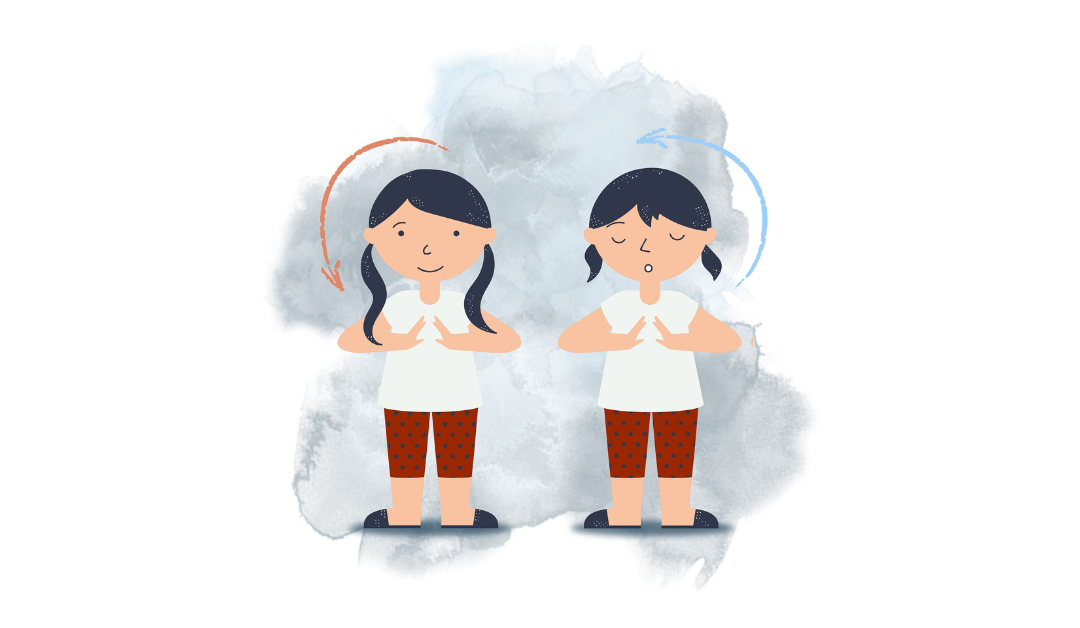
It’s as simple as it sounds. The “444” stands for four counts in each step: inhale, hold, exhale, and then hold again. You do each for four seconds, and voilà—you’ve completed a cycle. Repeat this a few times, and you’ll start feeling like you’ve just finished a mini-meditation session.
Here’s how you do it:
- Inhale slowly through your nose for 4 seconds.
- Hold your breath for 4 seconds.
- Exhale slowly through your mouth for 4 seconds.
- Hold your breath again for 4 seconds.
That’s it. Seriously. So easy, you can do it anywhere—at your desk, in the car, or even during that awkward small talk at the grocery store.
Why It’s a Game-Changer
- Bye-Bye Stress
Ever notice how your breath speeds up when you’re stressed? The 444 Box Breathing technique helps you slow everything down. It tells your body, “Hey, chill out, we got this.” As you focus on your breathing, your heart rate drops, and your mind starts to clear up. It’s like pressing the reset button on a frazzled brain.
- Improves Focus
Whether you’re grinding through a tough work project or trying to nail that tricky yoga pose, this breathing technique can sharpen your focus. By practicing this regularly, you train your brain to stay calm and collected, which means less distraction and more productivity.
- Boosts Mood
Deep breathing isn’t just about calming down—it also helps lift your spirits. The increase in oxygen flow to your brain can make you feel more alert and positive. So next time you’re feeling a bit blah, try a round of 444 and notice the mood shift.
- Better Sleep
Struggling to fall asleep? (We’ve all been there, staring at the ceiling, replaying awkward conversations from 2010.) The 444 Box Breathing technique can help lull you into a more relaxed state, making it easier to drift off into dreamland.
How to Fit It into Your Day
Here’s the best part—you don’t need a fancy setup or a lot of time to practice this. Sneak it in wherever you can:
- Morning Routine: Start your day with a clear mind.
- Midday Break: Use it to recharge during lunch.
- Before Bed: Unwind and prepare for a restful night.
If you’re someone who needs a bit of structure, try setting a reminder on your phone or pairing it with another habit (like your morning coffee or evening skincare routine). The more you do it, the more natural it will feel.
The Takeaway
Life throws a lot at us, but with the 444 Box Breathing technique, you’ve got a simple tool to help you navigate it all. It’s quick, easy, and can make a real difference in how you handle stress, stay focused, and feel overall. So next time you’re feeling overwhelmed, remember: just breathe, 4-4-4, and let the calm take over.
Got a few minutes? Why not give it a try right now? You might be surprised at how good it feels. Feel free to check out Cat demonstrate the 444 breathing technique on our Nova Therapy: Nova Talk Podcast here: https://podcasters.spotify.com/pod/show/novatherapytx
by Calien Trevino | Jul 1, 2024 | Anxiety, Eating Disorder, General
Hey there, virtual pals! 🌐 Let’s talk about something that’s as common as our morning coffee and as addictive as that last episode of your favorite Netflix series: social media. From Instagram to TikTok, Facebook to Twitter (or should we say X?), social media platforms are a huge part of our daily lives. But how does this constant connectivity impact our mental health? Let’s dive in!
The Good: Connection and Community
Let’s start on a positive note. Social media can be a beautiful thing. It allows us to stay in touch with friends and family across the globe, find like-minded communities, and even learn new skills. Need a recipe for tonight’s dinner? Check Pinterest. Want to keep up with your high school buddies? Facebook’s got you covered. Feeling a bit low and need some cute dog videos to cheer you up? Hello, Instagram Explore page!
These platforms can offer a sense of connection and belonging, which is crucial for our mental well-being. They can be particularly beneficial for those who might feel isolated in their offline lives. Social media can provide a lifeline, a way to reach out and say, “Hey, I’m here, and I need to talk.”
The Bad: The Comparison Trap
But, like all good things, there’s a flip side. Ever found yourself scrolling through Instagram, only to feel a pang of envy at someone’s seemingly perfect life? Welcome to the comparison trap, my friend. Social media can create an illusion of perfection that’s hard to live up to. Those filtered, curated snapshots of people’s lives can make us feel like we’re not enough, that our lives are boring in comparison.
This can lead to feelings of inadequacy, low self-esteem, and even depression. It’s easy to forget that what we see online is often a highlight reel, not the full story. That influencer with the perfect skin? They have bad days too. That couple always posting cute pictures? They probably argue sometimes.
The Ugly: Anxiety and Addiction
Then there’s the anxiety that comes with social media use. Ever heard of FOMO (Fear of Missing Out)? It’s real, and it’s pervasive. Seeing friends hang out without you, witnessing events you weren’t invited to, or simply feeling like you need to keep up with the latest trends can all contribute to anxiety.
And let’s not forget the addiction aspect. Social media platforms are designed to keep you hooked, with endless scrolling, notifications, and the dopamine hit from likes and comments. This can lead to a never-ending cycle of checking, refreshing, and seeking validation from our online presence, often at the expense of our real-world interactions and mental peace.
Finding Balance: The Middle Path
So, what’s the takeaway here? Social media isn’t inherently good or bad—it’s all about how we use it. Here are some tips to maintain a healthy relationship with your screens:
- Limit Your Time: Set daily limits on your social media use. Most smartphones now have built-in tools to help with this.
- Curate Your Feed: Follow accounts that make you feel good and unfollow those that don’t. It’s your feed, after all.
- Be Mindful: Pay attention to how you feel during and after using social media. If it’s making you anxious or unhappy, it might be time for a break.
- Engage Meaningfully: Use social media to connect with others, not just to consume content passively. Engage in conversations, share your thoughts, and be real.
- Disconnect to Reconnect: Take regular breaks from social media to engage with the world around you. It can be refreshing to experience life without the filter.
In conclusion, social media is a double-edged sword. It can bring us closer to people, provide us with a sense of community, and be a source of entertainment and information. But it can also lead to comparison, anxiety, and addiction if we’re not careful. By being mindful of our usage and setting healthy boundaries, we can enjoy the benefits while minimizing the drawbacks.
So, next time you’re scrolling through your feed, remember: it’s not all real, and it’s okay to take a step back. Your mental health will thank you. 🌸
Want some good vibes and mental health tips? Follow us on social media for all the positivity you need (this is the good side of social media 🫶🏻)!
Instagram: https://www.instagram.com/novatherapy_tx/
TikTok: https://www.tiktok.com/@novatherapytx

by Calien Trevino | Jun 27, 2024 | Anxiety, General
Hey there, fabulous readers!
Let’s chat about something super heartwarming today: emotional support animals (ESAs). Whether you’re already a proud pet parent or thinking about becoming one, you’ll love learning about the amazing impact these furry (or feathered, or scaly) buddies can have on our lives.
What’s the Deal with Emotional Support Animals?
First up, what exactly is an ESA? Unlike service animals that are trained to do specific tasks for people with disabilities, emotional support animals provide comfort just by being their adorable selves. They don’t need any special training, but their presence can be a game-changer for folks dealing with mental health issues like anxiety, depression, PTSD, and more.
The Comfort of Companionship
One of the best perks of having an ESA is the pure comfort they bring. Picture this: you’ve had a tough day, and you walk through the door to be greeted by a wagging tail or a soft purr. That simple act of love can seriously lift your spirits. Studies show that hanging out with animals can boost oxytocin, aka the “love hormone,” making you feel happier and more connected.
Bye-Bye Anxiety and Depression
Living with an ESA can work wonders for anxiety and depression. These animals offer constant, positive companionship that’s totally non-judgmental. Their presence can help ground you during panic attacks or moments of intense stress. Many ESA owners say they feel calmer and more secure with their furry friend by their side, leading to fewer anxiety episodes and a more stable mood.
Routine and Responsibility
Taking care of an ESA gives you a sense of routine and responsibility. Feeding, walking, grooming, and playing with an animal require daily attention, which can be super beneficial if you’re struggling with depression. This sense of purpose and routine can help you feel more organized and motivated, adding a bit of structure to your day.
Social Butterfly Moments
Having an ESA can also boost your social life. Walking your dog can lead to chats with other pet owners or neighbors. These small interactions can help you feel less isolated and more connected, fostering a sense of community and belonging.
Health Perks Galore
Don’t forget the physical health benefits! Owning a dog, for example, encourages regular exercise. Those daily walks aren’t just good for your pup; they’re good for you too! Regular physical activity can improve your heart health, boost your mood, and increase your energy levels.
Unconditional Love FTW
The unconditional love of an ESA can provide emotional stability. Knowing you have a loyal friend who loves you no matter what can be incredibly reassuring. This stable source of affection can help you navigate life’s ups and downs with more confidence and resilience.
Final Thoughts
Emotional support animals are more than just pets; they’re loyal companions offering unwavering support and love. Whether you’re dealing with mental health challenges or simply looking for a comforting presence, an ESA can make a world of difference.
So, to all the ESA owners out there, give your furry (or not-so-furry) friend an extra treat today. And if you’re thinking about getting an ESA, know that the bond you’ll share with your new buddy will be incredibly rewarding.
Stay pawsitive and take care!
by Calien Trevino | Jun 26, 2024 | Anxiety, Personality Disorders
Hey there, pals! 🌟
Navigating the rollercoaster of emotions in today’s fast-paced world can be overwhelming. Whether you’re juggling careers, relationships, or just trying to keep up with the latest TikTok trends, it’s easy to feel like you’re constantly running on empty. Enter Dialectical Behavior Therapy (DBT) – a game-changer in the world of mental health. Let’s dive into why DBT might just be the toolkit you never knew you needed.
What is DBT?
First things first, what exactly is DBT? Developed by psychologist Marsha Linehan, DBT is a type of cognitive-behavioral therapy designed to help individuals manage intense emotions and build healthier relationships. It’s particularly effective for those struggling with mood disorders, self-harm, and suicidal ideation, but its benefits extend far beyond these areas.
1. Emotional Regulation: Master Your Feelings
Are you often dubbed “anxious?” Between student loans, career pressures, and social media comparisons, it’s no wonder our stress levels are through the roof. DBT teaches you how to regulate your emotions effectively. Through skills like mindfulness and distress tolerance, you learn to identify, understand, and manage your feelings without letting them take over your life.
2. Mindfulness: Stay Present in the Moment
In a world full of distractions, staying present can be a real challenge. DBT incorporates mindfulness techniques that help you focus on the here and now. By practicing mindfulness, you can reduce anxiety, improve concentration, and enhance your overall well-being. Plus, it’s a great way to take a break from the constant digital bombardment we face daily.
3. Interpersonal Effectiveness: Build Stronger Relationships
Healthy relationships are crucial for our mental health, yet they can be incredibly challenging to maintain. DBT provides practical tools for improving communication, setting boundaries, and resolving conflicts. Whether it’s with a partner, family member, or friend, these skills can help you build and sustain meaningful connections.
4. Distress Tolerance: Weather the Storms
Life is unpredictable, and sometimes, things don’t go as planned. DBT’s distress tolerance skills equip you with strategies to cope with crises without resorting to harmful behaviors. By learning how to tolerate and survive distressing situations, you become more resilient and better prepared to handle whatever life throws your way.
5. Self-Compassion: Be Kind to Yourself
In the age of social media, it’s easy to fall into the trap of self-criticism and comparison. DBT encourages self-compassion, teaching you to treat yourself with the same kindness and understanding that you would offer a friend. This shift in mindset can lead to improved self-esteem and a more positive outlook on life.
6. Empowerment: Take Control of Your Life
Ultimately, DBT is about empowerment. It gives you the tools and skills to take control of your mental health and well-being. By actively participating in your therapy and applying what you learn, you can make meaningful changes in your life and become the best version of yourself.
Ready to Give DBT a Try?
If you’re intrigued by the benefits of DBT and think it might be a good fit for you, consider reaching out to a mental health professional trained in DBT. Our therapists offer DBT-based group sessions, individual therapy, and online resources to help you get started.
Remember, seeking help is a sign of strength, not weakness. Embrace the journey to emotional well-being with DBT – because you deserve to live a life that feels good on the inside, not just one that looks good on the outside. 🌱✨
Stay mindful, stay present, and most importantly, be kind to yourself.
Page 6 of 8« First«...45678»