
by Calien Trevino | Dec 18, 2025 | Anxiety, General, Trauma- and Stressor-Related Disorders
Embracing Your Transition Journey
Transitioning can often feel overwhelming, filled with moments of uncertainty and fear. Whether you’re dealing with anxiety, internalized shame, or struggles with your identity, it can be hard to break free from the negative cycles. But here’s the good news: embracing your transition journey is possible, and it starts with small steps that help you move toward feeling more congruent with your true self.
If you’re facing obstacles like fear of judgment, political barriers to medical care, or worries about your safety in public spaces, you’re not alone. Embracing your transition journey is about taking control of your own path, one small action at a time, and learning to thrive along the way.
Step 1: Recognizing Your Triggers
The first step in embracing your transition journey is to recognize your triggers—the situations that cause you to feel anxious or fearful. In the context of your transition, this could be anything from attending a social event to thinking about your appearance. Identifying these moments helps you understand why they lead to certain behaviors, allowing you to choose a different response.
Example:
-
Trigger: A social event invitation.
-
Desired Action: Attend as your true self, confidently.
-
Actual Outcome: Anxiety takes over, and you cancel the plans.
-
Observed Block: Fear of judgment or not being accepted by others.
By identifying these patterns, you can start embracing your transition journey and take steps toward changing the outcome.
Step 2: Mapping Your Emotions
Once you’ve identified the triggers, the next step is to map out how your thoughts and emotions respond. This is where you’ll uncover patterns that may be holding you back, like self-doubt or fear of rejection. The goal is to recognize these emotional responses and address them directly.
Example Flow:
In this step, ask yourself: What’s really causing the fear? Is it negative self-talk or a belief that you won’t be accepted? Pinpointing these issues allows you to start addressing them and take the next steps with confidence.
Step 3: Taking Small, Empowering Actions
Now that you have a better understanding of your triggers and emotional responses, it’s time to take action. Embracing your transition journey is about making small, empowering choices that help you feel more aligned with who you are. Start with manageable, low-pressure actions that allow you to test your boundaries and build confidence.
Example Test:
-
Action: Wear an outfit that feels true to yourself, even if only in private.
-
Comfort Level: 7/10
-
Outcome: Nervous but also proud.
These small steps give you the space to embrace your transition journey in a safe, controlled environment, helping you build confidence and ease into bigger changes.
Step 4: Embracing the Process
It’s important to remember that your journey is not about perfection—it’s about progress. Each step forward, no matter how small, is a victory. There will be setbacks along the way, but they don’t mean failure—they’re simply part of the process.
Encouragement Notes:
-
Shame: Don’t let it hold you back. It has no place in your journey.
-
Anxiety: Recognize it, but don’t let it control you.
-
Depression: You’re not stuck. Keep moving forward.
The road may not always be smooth, but each step you take is part of a bigger picture. Trust yourself, keep going, and embrace your journey.
Final Thoughts: You’re in Control of Your Transition Journey
The beauty of embracing your transition journey is that you’re the one driving the process. Every small action you take helps shape the life you want to live. Remember, transitioning is a journey, not a destination, and it’s okay to move at your own pace.
The next time you face fear or doubt, remind yourself that you’re not failing—you’re embracing your transition journey. You have the power to create a life that’s authentic and true to who you are.
Embracing Your Transition Journey: Call to Action
Have you faced challenges during your transition that felt like glitches in your system? Share your experiences in the comments below—by sharing, we can help others feel less alone and more empowered to embrace their own journeys.
To read more about LGBTQIA+ therapy, read our blog here: https://novatherapypllc.com/embracing-therapy-a-lifeline-for-the-lgbtqia-community/
And don’t forget we’re here for your journey: https://www.novatherapypllc.com

by Calien Trevino | Nov 21, 2025 | Anxiety, General, Trauma- and Stressor-Related Disorders
When it comes to relationships, understanding your partner’s attachment style can make all the difference. One attachment style that often leaves people confused is avoidant attachment in dating. If you’re dating someone who seems to pull away just when things are getting close, it could be due to their attachment style. Here’s what you need to know about avoidant attachment and how it impacts romantic relationships.
What Is Avoidant Attachment in Dating?
Attachment theory explains how early relationships with caregivers shape the way we form bonds in adulthood. Avoidant attachment in dating typically stems from childhood experiences with emotionally distant or unavailable caregivers. As a result, avoidants often struggle with emotional intimacy and have a strong need for independence in romantic relationships. While they may crave connection, they often withdraw when the relationship gets too emotionally intense.
Signs of Avoidant Attachment in Dating
If you’re wondering whether avoidant attachment in dating is affecting your relationship, here are some key signs to watch for:
-
Fear of Intimacy
Those with avoidant attachment may feel uncomfortable with emotional closeness. When things start getting deep or serious, they might pull away, fearing that intimacy will make them vulnerable.
-
Emotional Unavailability
A hallmark of avoidant attachment in dating is emotional distance. They often avoid sharing their feelings or needs and may downplay emotional concerns, leaving their partner feeling disconnected.
-
Need for Independence
People with avoidant attachment highly value their autonomy. If the relationship feels too demanding or suffocating, they may withdraw to regain their emotional space.
-
Inconsistent Communication
Avoidants are known for their hot and cold behavior. They might seem affectionate one moment but then emotionally distant the next, creating confusion for their partner.
-
Avoidance of Commitment
If commitment conversations or labels come up, someone with an avoidant attachment style may shy away, preferring to keep things casual to maintain their freedom.
How it Affects Relationships
When one partner has an avoidant attachment style, it can create an emotionally taxing dynamic. If you’re dating someone with avoidant attachment, you may feel insecure or confused by their sudden emotional distance. It’s common to feel like you’re walking on eggshells, unsure of where you stand in the relationship.
Partners of avoidants may experience loneliness despite being physically close. The emotional withdrawal of their partner leaves them wondering if they’re truly wanted or loved. Understanding that this behavior is rooted in attachment insecurity rather than a lack of care can help reduce some of the frustration.
How to Navigate Avoidant Attachment
If you’re in a relationship with someone who exhibits avoidant attachment in dating, here are a few tips to manage the push-pull dynamic:
-
Patience and Understanding
Recognize that emotional closeness may take time. Don’t pressure your partner to open up too quickly, as it could make them retreat even more. Let them gradually build trust.
-
Be Direct and Clear
Communicate your needs honestly and openly. Avoidant attachment in dating thrives in direct, clear communication. Avoidant partners often appreciate when you express your emotions calmly and without overwhelming them.
-
Respect Their Need for Space
Avoidants need their personal space to feel secure. While it’s important to express your needs, make sure to respect their desire for emotional distance when it arises.
-
Lead by Example
Be emotionally available yourself. If you’re patient and open about your feelings, it can encourage your partner to open up over time. Just be prepared for it to be a slow process.
Should You Stay or Go?
Dealing with avoidant attachment in dating can be a challenge, but it doesn’t have to mean the end of the relationship. With patience, clear communication, and mutual respect, it’s possible to build a stronger, healthier relationship with an avoidant partner. However, if their behavior leads to chronic emotional dissatisfaction, it may be time to reassess the relationship.
Final Thoughts:
Avoidant attachment in dating can create some complicated dynamics, but understanding the root causes and how to communicate effectively can improve the relationship. Whether you’re the one with avoidant tendencies or you’re dating someone who is, it’s important to work together to create a healthy, emotionally safe environment for both partners. Relationships take work, but they also offer growth—emotionally, relationally, and individually.
Call to Action:
Have you dealt with avoidant attachment in dating? Talk to us at https://www.novatherapypllc.com
Learn more about how couples therapy can help here: https://novatherapypllc.com/couples-therapy-why-its-totally-worth-it/

by Calien Trevino | Oct 22, 2025 | Anxiety, General
What to Expect in Couples Therapy 💑
If it’s your first time, I’m sure you wondering what to expect in couples therapy. Couples therapy can feel like stepping into the unknown — but it’s one of the most powerful things you can do for your relationship. Whether you’re dealing with constant arguments, a breakdown in trust, or just feeling disconnected, couples therapy helps you and your partner understand each other better, communicate more clearly, and reconnect in meaningful ways.
So what should you expect in couples therapy? Let’s break it down in a way that’s honest, millennial-friendly, and totally doable.
🔥 1. No Secrets Allowed in Couples Therapy
In most couples therapy settings, therapists follow a No Secrets Policy. That means if one of you shares something privately (like cheating, hidden money issues, or emotional disconnect) and doesn’t want it shared in session, the therapist can’t keep that a secret.
💡 Why it matters: Therapy works best when everything is on the table. Secrets make trust harder to rebuild — and therapists are there to support the relationship, not take sides.
🤐 2. One of You Might Talk More — That’s Normal
In nearly every couple, one person processes emotions out loud, while the other might shut down or avoid conflict. Couples therapy is built to balance this out.
💡 What to expect: Your therapist will guide both of you into the conversation. If you tend to take up less space, don’t worry — your therapist will help create space for your voice. If you’re the talker, you’ll learn how to slow down and really listen.
💔 3. You Might Be in Different Emotional Places
One of you might already be all in, reading books, listening to relationship podcasts, etc. The other might be unsure, guarded, or just figuring out how they even feel.
💡 That’s okay: Your therapist will help both of you get what you need — whether that’s space to feel safe or tools to express emotion. Couples therapy isn’t about being equally skilled — it’s about being equally committed to trying.
💬 4. Your Therapist Will Call You Out — Gently
Couples therapy is not just venting while someone nods. Your therapist will give you feedback. That might mean pointing out unhelpful patterns, calling attention to passive-aggressive comments, or showing you how small moments escalate.
💡 It’s not about blame: It’s about awareness. You’ll learn how to shift from reacting to responding — and how to repair when things go sideways.
⚖️ 5. Individual Work Might Be Needed
Sometimes, the relationship issues are being fueled by something deeper — like trauma, anxiety, or past relationship wounds. When that happens, your therapist might recommend individual therapy in addition to your couples therapy.
💡 Don’t panic: This doesn’t mean you’re “failing.” It means you’re investing in healing both individually and as a team.
🚩 6. If There’s Emotional Abuse, It Has to Be Addressed
Therapists are trained to spot signs of emotional abuse, control, gaslighting, or coercion. If any of these come up, they’re not just going to let it slide. Safety comes first.
💡 You should feel safe in therapy and in your relationship. If something feels off, your therapist will address it — and may pause couples work if one partner needs support outside of the relationship first.
💥 7. It’s a Process — Not a One-Time Fix
You won’t walk out of session one with everything solved. Change takes time. But most couples who commit to the process see real growth — in communication, in connection, and in self-awareness.
💡 Stick with it: The awkward beginning gives way to powerful insight. Most importantly, therapy helps you practice new skills in real time with your partner.
🌱 Final Thoughts: Couples Therapy is Worth It
Relationships are hard. And if you’re struggling, you’re not alone. Couples therapy helps you stop fighting the same fight over and over, and start understanding what’s underneath it.
Whether you’re healing from a rupture or just want to feel closer, couples therapy gives you tools to do better together. It’s not about perfection. It’s about showing up, being honest, and trying again — on purpose.
To learn more about couples therapy, read our blog here: https://novatherapypllc.com/couples-therapy-why-its-totally-worth-it/
To get started in couples therapy, visit us at https://www.novatherapypllc.com

by Calien Trevino | Sep 24, 2025 | Anxiety, General, Trauma- and Stressor-Related Disorders
💔 How a Grief Eulogy Helps You Let Go and Embrace Your True Self:
Healing isn’t just about becoming someone new; it’s about grieving the old self that no longer fits — even if that version helped you survive.
And sometimes, grieving that past self is exactly what you need to move forward and embrace the person you truly are through a grief eulogy.
Wait, Grief? Over… Me?
Yes. You can grieve your own past self.
Especially when that self wasn’t who you truly are, but who you had to be to stay safe, accepted, or even just alive.
Whether you’re transitioning, leaving a toxic relationship, or letting go of old coping mechanisms, that old self served a purpose. You didn’t create it out of weakness; you built it from strength.
But when that self no longer fits, grieving it is a necessary step to creating space for the real you. That’s where a Grief Eulogy comes in.
🕯️ What’s a Grief Eulogy?
A Grief Eulogy is a goodbye letter to the version of yourself you’re outgrowing.
It’s about honoring that past self, not rejecting them, and thanking them for what they gave you. This symbolic act allows you to mourn the part of you that’s no longer useful in your journey.
Writing a Grief Eulogy isn’t about saying goodbye with anger or shame. It’s about acknowledging the hard work that version of yourself did — and choosing, from a place of power, to move on.
💬 Why This Actually Helps (The Science-Backed Benefits)
Here’s why this works:
-
Grieving symbolic losses — like parts of your identity — is just as valid as grieving physical losses.
-
Writing out your emotions has been proven to reduce depressive symptoms and help process trauma (Pennebaker, 1997).
-
Rituals (like writing a eulogy) help your brain create emotional closure and allow you to move forward (Norton & Gino, 2014).
In other words, a Grief Eulogy gives you permission to emotionally clear space for the future, helping you let go of the old self so you can step into your true identity.
✍️ How to Write Your Own Grief Eulogy
Writing a Grief Eulogy is an act of closure. Start by choosing which version of yourself you need to say goodbye to — the part that no longer fits, whether it’s a name, persona, or coping mechanism.
Then try writing from this perspective:
-
“Thank you for keeping me safe when…”
-
“You taught me how to survive by…”
-
“But staying here costs me…”
-
“I’m not angry with you. I’m just ready for something different.”
-
“As I let go of you, I welcome…”
This is your moment to grieve, but also to honor yourself for your strength and resilience.
🔥 My Personal Eulogy
Goodbye to the version of me who smiled through the discomfort.
You made me likable. You made me needed. You helped me disappear when disappearing was safer than being seen.
But I’m tired now. Tired of being invisible. Tired of apologizing for needing anything.
I know you meant well.
But I don’t want to survive anymore — I want to live.
And I can’t do both.
💡 Extra Credit: Make It Ritual
Want to make it symbolic? Try this:
💬 Final Words
Choosing to live authentically doesn’t mean you’re abandoning your past self.
You’re honoring them by saying, “Thank you, but I’m ready for something more.”
A Grief Eulogy is about giving yourself permission to let go of who you used to be so you can finally become who you truly are. It’s hard. It’s emotional. But it’s also deeply empowering.
And once you let go of the past, there’s so much room for the new you to show up.
To learn more about discovering your true self, read our blog here: https://novatherapypllc.com/who-am-i-really-navigating-identity-and-self-discovery/
And be sure to visit us at https://www.novatherapypllc.com

by Calien Trevino | Sep 11, 2025 | Anxiety, General, Trauma- and Stressor-Related Disorders
Moving On from a Lost Connection: Finding Deep Friendship Again
Losing a deep connection—especially when it feels like your ex was your best friend—can leave a lasting void. It’s normal to grieve, and it’s tough to imagine ever finding that level of friendship again. But here’s the truth: you can still move on from the pain, and moving on from a lost connection is possible. If you’re struggling with grief after losing a connection, it’s important to understand that what you’re experiencing is not unique—it’s a human condition.
In this blog post, we’ll talk about the grieving process, why this hurts so much, and how to embrace new relationships after loss. Because the best part? You can still find the connection you crave—even if it looks different from what you had before.
Grieving the Loss of a Deep Connection
When a partner is not just a lover, but also your best friend, the emotional loss can feel especially deep. The inside jokes, shared memories, and emotional intimacy are hard to replace. This isn’t just a breakup; it’s a loss of emotional safety, and that’s a hard thing to rebuild.
But moving on from a lost connection is natural, and it doesn’t mean you’ll never find meaningful relationships again. It’s normal to feel like you won’t find someone who understands you the way your ex did. The fear of loneliness or never experiencing that depth again can be overwhelming.
Why the Fear of Loneliness is Valid—but Temporary
You may fear you’ll never find someone who can offer that same kind of deep connection, but here’s a reminder: you’re not too late to build a new one. In fact, as you move through grief, you’re likely becoming more self-aware—and that’s a key ingredient for building healthier relationships.
According to attachment theory, the bonds we form in our relationships are crucial to our emotional well-being. When those bonds are broken, like with a lost connection, it can take time to rebuild that sense of security. But studies show that, even as adults, we can still form secure attachments with others through emotional vulnerability and trust.
How to Find New Friendships and Connections After Loss
If you’re avoiding dating apps or feel disconnected from your past friendships, don’t worry. You don’t have to force yourself into the digital dating world to find connection. Moving on from a lost connection and finding new deep friendships can happen in many different ways:
-
Pursue meaningful hobbies or volunteer: When you engage in activities that align with your passions or values, you naturally meet like-minded people.
-
Let friendships evolve: Sometimes, meaningful relationships happen when we stop looking for perfection and let friendships grow at their own pace.
-
Show up with openness and vulnerability: When you allow yourself to be open about your experiences, you invite deeper connections with others who are also seeking emotional intimacy.
You Can Still Find Connection and Love
If you’re feeling lost in the process, here’s a final thought: the love and connection you crave are still possible. You don’t have to settle for less because you’re afraid of being alone. Just because you’ve lost a deep connection doesn’t mean you can’t build new ones that will sustain you.
It’s okay to grieve, but don’t let the grief hold you back. Your story isn’t finished yet. The love and friendships you deserve are still waiting for you.
To learn more about setting goals, read our blog here: https://novatherapypllc.com/setting-goals-and-thriving-after-a-break-up/
Written by a therapist who has had to move on from a lost connection and believes in the power of deep friendships and meaningful connections.
Visit us at https://www.novatherapypllc.com to talk about it.
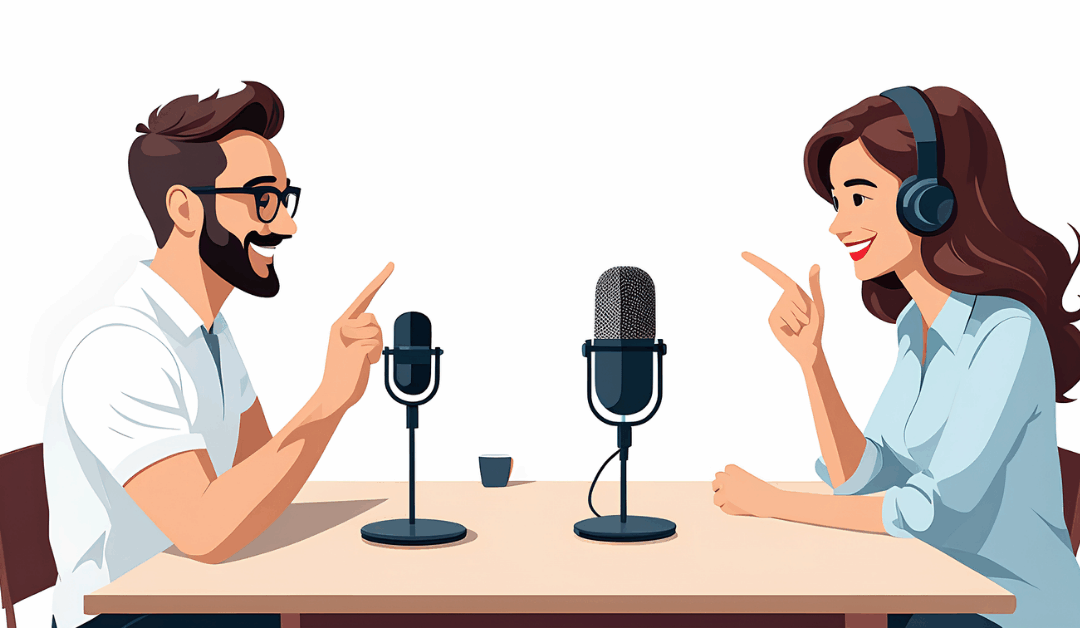
by Calien Trevino | Aug 28, 2025 | Anxiety, General
Let’s face it—healing is a journey, and it’s not always linear. Sometimes, you need more than just your therapy session to feel supported. That’s where podcasts about mental health come in.
These podcasts create a space where you can hear real stories, expert advice, and emotional validation—anytime you need it. Whether you’re on the go or relaxing, tuning into a podcast can provide comfort and insight, all from the convenience of your headphones.
🧠 How Mental Health Podcasts Can Offer Valuable Support
-
Expert insights on your terms.
Many mental health podcasts feature licensed therapists and mental health professionals who simplify complex topics, making them accessible. It’s like getting professional advice without the formal setting.
-
You realize you’re not alone.
Struggling with tough emotions or situations can feel isolating. Listening to podcasts helps you hear stories that mirror your experiences, showing you that you’re not alone on your journey.
-
Practical tools for everyday life.
Mental health podcasts often share actionable tips—such as how to cope with stress, manage anxiety, and set boundaries—that you can use in your daily routine. It’s like having a toolkit for your mental health at your fingertips.
📱 A Great Companion to Therapy
Already in therapy? Fantastic! Mental health podcasts can be a perfect complement to your sessions. They reinforce what you’re learning in therapy and give you new perspectives to reflect on. Plus, they provide additional strategies that can enhance your progress.
Not in therapy yet? No problem! These podcasts offer an excellent first step. They’re an accessible and free resource for those looking to understand and work through their mental health challenges, all at your own pace.
💬 What Clients Say
“Podcasts help me feel heard and understood, even when I can’t talk to someone in person.”
“They give me a sense of comfort, and the advice feels like it’s just for me.”
“I can listen anytime, so it fits into my schedule and helps me process things when I need to.”
“I feel like I’m not alone—hearing other people talk about what I’m going through is so powerful.”
TL;DR:
-
Mental health podcasts are an easy and free resource to support your healing process.
-
They provide expert advice, emotional support, and practical tools you can use in daily life.
-
Whether or not you’re in therapy, these podcasts are great for self-reflection and growth.
-
Sometimes, the right podcast episode can offer exactly what you need to move forward in your journey.
🎧 Nova Therapy’s Mental Health Podcast
Check out our podcast that airs new episodes every Friday at 8am CST here: https://creators.spotify.com/pod/profile/novatherapytx/
And to get started in therapy to talk about your mental health, visit us here: https://www.novatherapypllc.com
Page 1 of 812345...»Last »