by Calien Trevino | Jul 1, 2024 | Anxiety, Eating Disorder, General
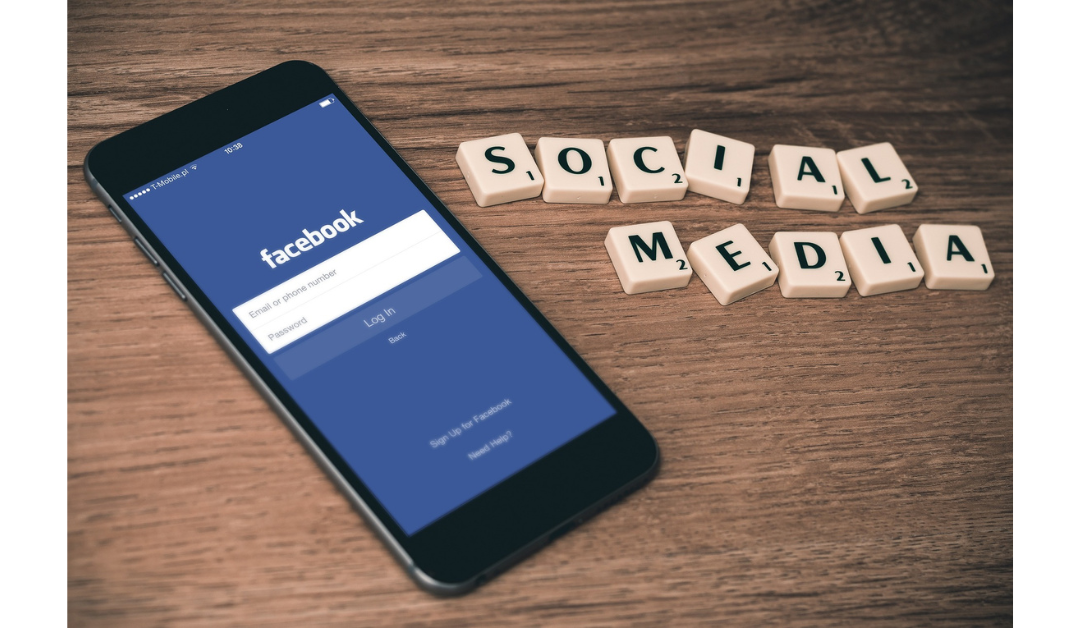
Hey there, virtual pals! 🌐 Let’s talk about something that’s as common as our morning coffee and as addictive as that last episode of your favorite Netflix series: social media. From Instagram to TikTok, Facebook to Twitter (or should we say X?), social media platforms are a huge part of our daily lives. But how does this constant connectivity impact our mental health? Let’s dive in!
The Good: Connection and Community
Let’s start on a positive note. Social media can be a beautiful thing. It allows us to stay in touch with friends and family across the globe, find like-minded communities, and even learn new skills. Need a recipe for tonight’s dinner? Check Pinterest. Want to keep up with your high school buddies? Facebook’s got you covered. Feeling a bit low and need some cute dog videos to cheer you up? Hello, Instagram Explore page!
These platforms can offer a sense of connection and belonging, which is crucial for our mental well-being. They can be particularly beneficial for those who might feel isolated in their offline lives. Social media can provide a lifeline, a way to reach out and say, “Hey, I’m here, and I need to talk.”
The Bad: The Comparison Trap
But, like all good things, there’s a flip side. Ever found yourself scrolling through Instagram, only to feel a pang of envy at someone’s seemingly perfect life? Welcome to the comparison trap, my friend. Social media can create an illusion of perfection that’s hard to live up to. Those filtered, curated snapshots of people’s lives can make us feel like we’re not enough, that our lives are boring in comparison.
This can lead to feelings of inadequacy, low self-esteem, and even depression. It’s easy to forget that what we see online is often a highlight reel, not the full story. That influencer with the perfect skin? They have bad days too. That couple always posting cute pictures? They probably argue sometimes.
The Ugly: Anxiety and Addiction
Then there’s the anxiety that comes with social media use. Ever heard of FOMO (Fear of Missing Out)? It’s real, and it’s pervasive. Seeing friends hang out without you, witnessing events you weren’t invited to, or simply feeling like you need to keep up with the latest trends can all contribute to anxiety.
And let’s not forget the addiction aspect. Social media platforms are designed to keep you hooked, with endless scrolling, notifications, and the dopamine hit from likes and comments. This can lead to a never-ending cycle of checking, refreshing, and seeking validation from our online presence, often at the expense of our real-world interactions and mental peace.
Finding Balance: The Middle Path
So, what’s the takeaway here? Social media isn’t inherently good or bad—it’s all about how we use it. Here are some tips to maintain a healthy relationship with your screens:
- Limit Your Time: Set daily limits on your social media use. Most smartphones now have built-in tools to help with this.
- Curate Your Feed: Follow accounts that make you feel good and unfollow those that don’t. It’s your feed, after all.
- Be Mindful: Pay attention to how you feel during and after using social media. If it’s making you anxious or unhappy, it might be time for a break.
- Engage Meaningfully: Use social media to connect with others, not just to consume content passively. Engage in conversations, share your thoughts, and be real.
- Disconnect to Reconnect: Take regular breaks from social media to engage with the world around you. It can be refreshing to experience life without the filter.
In conclusion, social media is a double-edged sword. It can bring us closer to people, provide us with a sense of community, and be a source of entertainment and information. But it can also lead to comparison, anxiety, and addiction if we’re not careful. By being mindful of our usage and setting healthy boundaries, we can enjoy the benefits while minimizing the drawbacks.
So, next time you’re scrolling through your feed, remember: it’s not all real, and it’s okay to take a step back. Your mental health will thank you. 🌸
Want some good vibes and mental health tips? Follow us on social media for all the positivity you need (this is the good side of social media 🫶🏻)!
Instagram: https://www.instagram.com/novatherapy_tx/
TikTok: https://www.tiktok.com/@novatherapytx

by Calien Trevino | Jun 27, 2024 | Anxiety, General
Hey there, fabulous readers!
Let’s chat about something super heartwarming today: emotional support animals (ESAs). Whether you’re already a proud pet parent or thinking about becoming one, you’ll love learning about the amazing impact these furry (or feathered, or scaly) buddies can have on our lives.
What’s the Deal with Emotional Support Animals?
First up, what exactly is an ESA? Unlike service animals that are trained to do specific tasks for people with disabilities, emotional support animals provide comfort just by being their adorable selves. They don’t need any special training, but their presence can be a game-changer for folks dealing with mental health issues like anxiety, depression, PTSD, and more.
The Comfort of Companionship
One of the best perks of having an ESA is the pure comfort they bring. Picture this: you’ve had a tough day, and you walk through the door to be greeted by a wagging tail or a soft purr. That simple act of love can seriously lift your spirits. Studies show that hanging out with animals can boost oxytocin, aka the “love hormone,” making you feel happier and more connected.
Bye-Bye Anxiety and Depression
Living with an ESA can work wonders for anxiety and depression. These animals offer constant, positive companionship that’s totally non-judgmental. Their presence can help ground you during panic attacks or moments of intense stress. Many ESA owners say they feel calmer and more secure with their furry friend by their side, leading to fewer anxiety episodes and a more stable mood.
Routine and Responsibility
Taking care of an ESA gives you a sense of routine and responsibility. Feeding, walking, grooming, and playing with an animal require daily attention, which can be super beneficial if you’re struggling with depression. This sense of purpose and routine can help you feel more organized and motivated, adding a bit of structure to your day.
Social Butterfly Moments
Having an ESA can also boost your social life. Walking your dog can lead to chats with other pet owners or neighbors. These small interactions can help you feel less isolated and more connected, fostering a sense of community and belonging.
Health Perks Galore
Don’t forget the physical health benefits! Owning a dog, for example, encourages regular exercise. Those daily walks aren’t just good for your pup; they’re good for you too! Regular physical activity can improve your heart health, boost your mood, and increase your energy levels.
Unconditional Love FTW
The unconditional love of an ESA can provide emotional stability. Knowing you have a loyal friend who loves you no matter what can be incredibly reassuring. This stable source of affection can help you navigate life’s ups and downs with more confidence and resilience.
Final Thoughts
Emotional support animals are more than just pets; they’re loyal companions offering unwavering support and love. Whether you’re dealing with mental health challenges or simply looking for a comforting presence, an ESA can make a world of difference.
So, to all the ESA owners out there, give your furry (or not-so-furry) friend an extra treat today. And if you’re thinking about getting an ESA, know that the bond you’ll share with your new buddy will be incredibly rewarding.
Stay pawsitive and take care!

by Calien Trevino | Jun 25, 2024 | Anxiety, General
Hey there, lovebirds! 🌟 Whether you’re in the honeymoon phase or have been together for years, relationships can be challenging. The good news? Couples therapy is here to save the day! Let’s dive into why this modern relationship tool is gaining popularity and why it might just be the best thing for your love life.
1. Break the Stigma: It’s Okay to Ask for Help!
First things first: seeking couples therapy doesn’t mean your relationship is doomed. In fact, it shows you care enough to invest in your partnership. For too long, therapy has been seen as a last resort. But let’s flip that script! It’s actually a proactive step towards a healthier, happier relationship. Think of it like going to the gym for your love life. 💪
2. Better Communication: Say Goodbye to Misunderstandings
Communication is key, but it’s easier said than done. Couples therapy teaches you and your partner how to communicate effectively. Instead of bottling up feelings or having the same argument over and over, you’ll learn techniques to express yourselves clearly and listen actively. No more “You never listen to me!” or “I didn’t mean it like that!” moments. 🗣️
3. Strengthen Your Bond: Rekindle That Spark
Over time, the daily grind can dull the shine of even the brightest relationships. Couples therapy can help you rediscover what brought you together in the first place. Through guided sessions, you’ll find new ways to connect and rekindle that spark. Whether it’s through shared activities or deeper emotional understanding, you’ll fall in love all over again. ✨
4. Address Issues Head-On: Don’t Let Problems Fester
Ignoring issues won’t make them disappear. Couples therapy provides a safe space to address concerns before they become major problems. Whether it’s finances, intimacy, or future plans, having a neutral third party can help you navigate these tricky waters. By tackling these issues head-on, you’ll build a stronger foundation for the future. 🌱
5. Learn Conflict Resolution Skills: Fight Fair, Love Hard
Every couple argues, but it’s how you handle those disagreements that counts. Couples therapy equips you with conflict resolution skills to ensure fights are productive rather than destructive. You’ll learn how to argue respectfully, find compromises, and most importantly, how to make up after a disagreement. ❤️🩹
6. Boost Emotional Intimacy: Get to Know Each Other Better
Beyond just talking, therapy helps you understand each other’s emotional needs and histories. This deeper understanding can lead to greater empathy and emotional intimacy. Knowing your partner’s triggers, dreams, and fears allows you to support each other more effectively. It’s about building a connection that goes beyond the surface. 🌊
7. Future-Proof Your Relationship: Plan for the Long Haul
Couples therapy isn’t just about solving current issues; it’s about preparing for the future. Discussing long-term goals, expectations, and potential challenges with a therapist can help you create a shared vision for your life together. This proactive approach ensures you’re both on the same page and ready to face whatever comes your way. 🚀
8. Self-Discovery: Understand Yourself Better
Sometimes, couples therapy isn’t just about your partner—it’s about you too. Through the process, you’ll gain insights into your own behavior, patterns, and emotions. This self-awareness can lead to personal growth that benefits not only your relationship but all areas of your life. 🌟
9. Normalize Relationship Maintenance: Just Like Car Service!
Just like your car needs regular maintenance to run smoothly, so does your relationship. Think of couples therapy as routine maintenance rather than emergency repair. Regular check-ins with a therapist can help you keep your relationship in top shape, preventing minor issues from becoming major breakdowns. 🚗💨
10. Empowerment: Take Control of Your Relationship
Ultimately, couples therapy empowers you to take control of your relationship. It’s about being active participants rather than passive passengers. By investing time and effort into therapy, you’re showing that your relationship is worth fighting for and that you’re committed to making it the best it can be. 🌈
So, there you have it! Couples therapy isn’t just for couples in crisis—it’s for anyone who wants to build a stronger, more fulfilling relationship. Ready to give it a try? Your future selves will thank you!

by Calien Trevino | Jun 24, 2024 | Anxiety, General, Trauma- and Stressor-Related Disorders
Life can be a wild ride, especially for those of us in the LGBTQIA+ community. From coming out to dealing with discrimination, the struggles are real and unique. Therapy can be a game-changer. Seeking professional help isn’t just okay; it’s a powerful step toward living your best life. Let’s break down why therapy is so beneficial for the LGBTQIA+ community and how it can help you lead a more fulfilling life.
Breaking Down Barriers
First things first: therapy helps break down barriers. Many of us face societal stigma and internalized shame. Therapy provides a safe space to explore these feelings without judgment. A supportive therapist can help you process your experiences and empower you to live authentically.
Figuring Out Your Identity
Understanding and embracing your identity can be a journey. Whether you’re exploring your sexuality or gender identity, therapy offers a supportive environment to navigate these waters. A therapist can provide guidance, resources, and a listening ear as you discover who you truly are. This process can lead to greater self-acceptance and confidence.
Dealing with Discrimination
Discrimination and prejudice are, unfortunately, part of the reality for many LGBTQIA+ individuals. Dealing with these experiences can be incredibly draining. Therapy offers tools and strategies to cope with discrimination and build resilience. It’s about finding strength in the face of adversity and not letting negative experiences define you.
Building Better Relationships
Our relationships often face unique challenges. Whether it’s family dynamics, friendships, or romantic relationships, therapy can help improve communication and understanding. It’s about building healthier connections and navigating conflicts in a constructive way. A therapist can also support you in creating a chosen family if your biological one isn’t supportive.
Mental Health Boost
Anxiety, depression, and other mental health issues can affect anyone, but the LGBTQIA+ community is often at higher risk. Therapy can address these challenges head-on. With the right support, you can develop coping mechanisms, work through trauma, and improve your overall mental health. Remember, it’s okay to ask for help and prioritize your well-being.
Getting Validated
Finding a therapist who understands and affirms your identity is crucial. An LGBTQIA+-friendly therapist can provide validation and support tailored to your unique experiences. They can help you navigate specific issues like coming out, transitioning, or dealing with societal pressures, making the therapy experience more relevant and impactful.
Personal Growth
Therapy isn’t just about tackling problems; it’s also a space for personal growth. It’s a journey toward becoming the best version of yourself. Whether it’s setting goals, building self-esteem, or finding your purpose, therapy can guide you along the way. Embrace the opportunity to grow and evolve in a supportive environment.
Finding Your Community
Therapy can also help you connect with the broader LGBTQIA+ community. Many therapists can recommend support groups, events, and resources that can help you build a network of supportive friends and allies. Being part of a community where you feel understood and accepted is invaluable.
Conclusion
Therapy is a powerful tool for anyone, but it’s especially beneficial for the LGBTQIA+ community. It provides a safe space to explore your identity, cope with discrimination, and improve your mental health. By seeking therapy, you’re taking a bold step toward a healthier, happier, and more authentic life. So why not give it a try? You deserve to live your best life, filled with self-acceptance, resilience, and love.

by Calien Trevino | Jun 24, 2024 | Anxiety, General, Trauma- and Stressor-Related Disorders
Hey Guys, Let’s Talk Therapy
Let’s face it, fellas—life can be a rollercoaster. With work stress, relationship drama, and just trying to figure out what we want in life, it’s a lot. Yet, many of us still hesitate when it comes to seeking therapy. Why? Because somewhere along the line, society told us that talking about our feelings makes us weak. Spoiler alert: it doesn’t. In fact, going to therapy can be one of the smartest moves you make. Let’s break down why therapy is a game-changer for men.
Smashing the Stigma
From a young age, many of us were told to “man up” and keep our emotions in check. But here’s the thing: bottling up feelings isn’t healthy. Admitting you need some help is actually pretty badass. It shows self-awareness and the courage to tackle your issues head-on. Therapy is all about breaking that stigma and realizing it’s okay to seek support.
Boost Your Mental Health
Anxiety, depression, and stress are more common than you think. Yet, a lot of guys would rather ignore these feelings than address them. Therapy offers a safe space to talk about what’s going on in your head. A therapist can help you understand your emotions and develop strategies to manage them. Better mental health means a better life overall—simple as that.
Better Relationships
Communication can be tough. Whether it’s with your partner, family, or friends, sometimes it feels like you’re speaking different languages. Therapy can teach you how to express yourself better and understand others more deeply. It’s like getting a user manual for human interaction. And trust me, when your relationships improve, everything else starts to fall into place.
Stress Less
We all know stress sucks, but it’s almost impossible to avoid. Whether it’s work deadlines, financial pressure, or just everyday annoyances, stress is a constant companion. Therapy can equip you with tools to handle stress better, so it doesn’t feel like the world is constantly on your shoulders. Learn how to chill and not let stress run your life.
Personal Growth
Therapy isn’t just about fixing problems; it’s also about growing as a person. It’s like a gym for your mind. You learn about yourself, set goals, and work on becoming the best version of you. Self-awareness and confidence skyrocket when you take time to focus on personal growth. Plus, who doesn’t want to level up in life?
Physical Health Perks
Mental health and physical health are linked. When you take care of your mind, your body benefits too. Lower stress levels can lead to better sleep, improved heart health, and even a stronger immune system. So, think of therapy as an investment in your overall well-being.
Career Gains
Struggling with mental health can impact your job performance and satisfaction. Therapy can help you develop coping mechanisms to handle work-related stress and improve your focus and productivity. Understanding your strengths and weaknesses can also help you make better career decisions and find more satisfaction in your work.
Conclusion
Therapy isn’t just for when you’re in crisis. It’s a proactive step towards living your best life. Breaking the stigma around therapy starts with us. Embracing the help of a professional doesn’t mean you’re weak; it means you’re strong enough to seek the tools you need to thrive. So, why not give it a shot? You owe it to yourself to live a happier, healthier life.

by Calien Trevino | Jun 20, 2024 | Anxiety, General
Hey there, friend! 😊
Today, I want to chat with you about something that might seem a little daunting at first but is actually pretty amazing—therapy. Now, I know the idea of sitting down with a stranger and spilling your guts might sound intimidating, but stick with me, and I’ll explain why therapy works and why it might just be one of the best things you can do for yourself.
It’s All About Connection
First off, therapy is all about connection. When you sit down with a therapist, you’re engaging in a relationship built on trust and understanding. This isn’t just any relationship—it’s one where you can be completely open without fear of judgment. Your therapist is there to listen, really listen, and help you navigate whatever it is you’re going through. Sometimes, just having someone genuinely hear you can make all the difference.
A New Perspective
One of the coolest things about therapy is gaining a new perspective. We all get stuck in our own heads sometimes, looping the same thoughts and worries. A therapist can help break that cycle by offering a fresh viewpoint. They can help you see things in ways you might not have considered before, which can be incredibly enlightening and liberating.
Tools for Life
Therapy isn’t just about talking; it’s also about learning. Your therapist can teach you practical tools and strategies to handle stress, anxiety, depression, and other challenges. These are skills you can carry with you throughout your life, making it easier to cope with future hurdles. Think of it as building a toolkit for your mental health.
Unpacking the Past
A lot of our current issues are tied to past experiences. Therapy provides a safe space to explore these connections. By understanding where certain feelings and behaviors come from, you can start to heal old wounds and move forward with a clearer, healthier mindset.
Breaking Patterns
We all have habits and patterns that aren’t always the healthiest. Maybe it’s negative self-talk, avoidance behaviors, or something else entirely. A therapist can help identify these patterns and work with you to break them, leading to more positive and constructive ways of thinking and acting.
Validation and Support
Life can be tough, and it’s easy to feel like you’re alone in your struggles. Therapy provides validation and support from someone who understands and is trained to help. It’s reassuring to know that what you’re feeling is real and that there are ways to work through it.
Self-Discovery
Therapy is also a journey of self-discovery. As you explore your thoughts, feelings, and behaviors, you’ll learn more about yourself than you ever thought possible. This self-awareness can be incredibly empowering and help you make more informed decisions about your life.
It’s for Everyone
One of the biggest myths about therapy is that it’s only for people with “serious” issues. In reality, therapy is for everyone. Whether you’re dealing with a specific problem or just looking to improve your mental health and well-being, therapy can be a valuable resource.
So, there you have it! Therapy is all about connection, perspective, learning, and self-discovery. It’s a tool for breaking old patterns and building new, healthier ones. It offers validation, support, and a safe space to explore your thoughts and feelings. Most importantly, therapy is for everyone.
If you’ve been considering therapy but aren’t quite sure if it’s for you, I hope this post has given you a bit more insight into why it works and how it can be beneficial. Remember, taking care of your mental health is just as important as taking care of your physical health. So why not give it a try? 🌟
Until next time, take care!
Page 6 of 8« First«...45678»